Build the SaaS model before the feature backlog.
We design multi-tenant SaaS around organizations, data ownership, roles, entitlements, billing and operational workflows so new customers do not create new architectural exceptions.
What production SaaS requires
A tenant is a business boundary, not only a database filter.
We define customer organizations, memberships, resource ownership and commercial access before choosing the exact isolation or provider implementation.
TENANT
Organizations & ownership
Model customer accounts, workspaces, memberships, invitations and tenant-scoped resources.
AUTHZ
Roles & permissions
Separate identity from authorization and keep resource actions explicit.
BILLING
Plans, entitlements & payments
Keep product access independent from a single payment provider; integrate cards, invoices or USDC/CoinGate as required.
OPS
Audit & operations
Give support and finance a traceable path through workflows, provider events and customer state.
Delivery path
From commercial model to operable SaaS.
The first architecture output is a system map: tenant boundary, domain state, billing and operational responsibilities. Implementation follows that map.
01
Model organizations and domain ownership
Map customers, members, resources, isolation boundaries and business invariants.
Tenant/domain model
02
Design authorization and workflows
Define role matrix, transition rules, approvals, audit and exception paths.
RBAC + state model
03
Connect billing and payment rails
Model plans, entitlements and invoice/payment state. Integrate fiat billing or stablecoin rails such as CoinGate where the commercial model requires them.
Billing architecture
04
Ship operations with the product
Admin tools, logs, reconciliation, customer support context and observability are delivered with production scope.
Operable SaaS
SaaS proof
Vertical SaaS is visible in the domain model.
These projects show repeatable customer boundaries, operational state and product workflows rather than generic admin dashboards.
FLAGSHIP / SELF STORAGE
Rentya
A reusable SaaS core for operators, facilities, units, bookings, documents, payments and active rentals.
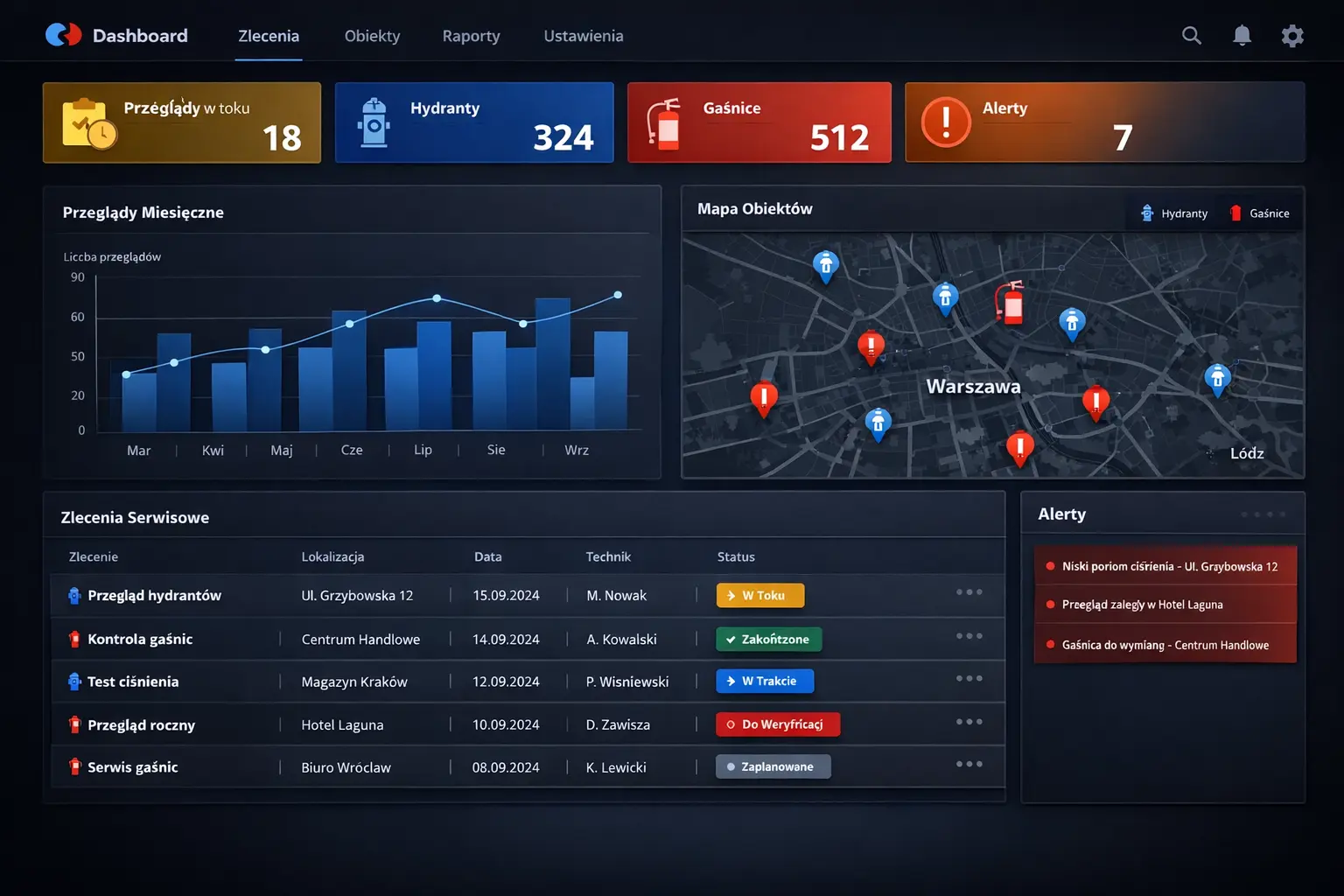
VERTICAL SAAS / FIELD
TECHPRES.app
Commercial SaaS for fire-safety service operations, inspections, measurements, protocols and asset history.
Adjacent architecture paths
Choose the next constraint instead of adding another generic feature list.
SaaS architecture often overlaps with payment rails, mobile products and MVP validation. Each has its own service boundary.
CRYPTO / BILLING
Crypto & Stablecoin Payments
Add USDC or CoinGate to product-owned invoice, payment, entitlement and reconciliation state.
MOBILE / EXTENSION
Mobile Product Engineering
Add iOS/Android to an existing SaaS without creating a second source of truth.
MVP / VALIDATE
Minimum Value Product
If tenant and commercial assumptions are still unvalidated, validate first before hardening production SaaS architecture.
FAQ
Common SaaS development decisions.
We use the commercial and operating model to decide architecture, not a one-size-fits-all starter template.
Yes. Organizations, memberships, roles, tenant-scoped resources, plans, entitlements and operations are modeled explicitly.
Yes. A SaaS invoice or order can be paid through a supported crypto rail such as USDC/CoinGate while product entitlement, ledger and reconciliation remain application-owned.
Yes when identity and organization boundaries are designed cleanly. We keep authorization separate from the authentication provider.
SaaS discovery
Map the tenant, billing and workflow model before implementation expands.
Bring the current product, target customer model and commercial rules. We will turn them into an architecture boundary map.
Start SaaS discovery