Modernize the platform without breaking the business.
We audit legacy product boundaries, data ownership and integration risk, then replace the highest-friction parts in controlled stages instead of assuming a full rewrite is always the safest answer.
Modernization model
The first deliverable is a risk map, not a rewrite estimate.
We identify which parts are business-critical, which data contracts cannot break and where migration creates the highest leverage with acceptable operational risk.
BOUNDARY
Domain boundaries
Separate stable business concepts from framework-era coupling and accidental module dependencies.
DATA
Data ownership & migration
Map authoritative stores, duplicate state, historical obligations and compatibility requirements.
INTEGRATE
External contracts
Inventory APIs, webhooks, background jobs and provider assumptions before changing execution paths.
CUTOVER
Controlled replacement
Use staged routing, compatibility layers or parallel runs where an all-at-once cutover creates unnecessary risk.
Migration path
Modernization should reduce risk with every stage.
We prioritize modules based on business friction, operational risk and architectural leverage — not only code age.
01
Architecture and dependency audit
Map domains, data, integrations, deployment, observability and current production incidents or bottlenecks.
Risk map
02
Define target boundaries
Specify what becomes an independent module/service, what stays together and which contracts must remain compatible.
Target architecture
03
Migrate one controlled slice
Replace a high-value path with explicit telemetry and rollback/cutover rules.
Validated migration pattern
04
Scale the migration
Repeat the proven pattern, remove dead paths and strengthen observability as ownership becomes clearer.
Modern platform
Proof mindset
Modernization is easier when the domain is stronger than the framework.
Our product work across Rentya, TECHPRES and operational systems uses explicit domain state and integration boundaries that support long-term evolution.
REUSABLE SAAS CORE
Rentya
A configurable domain core designed for different operator models and white-label deployments without rewriting rental logic.
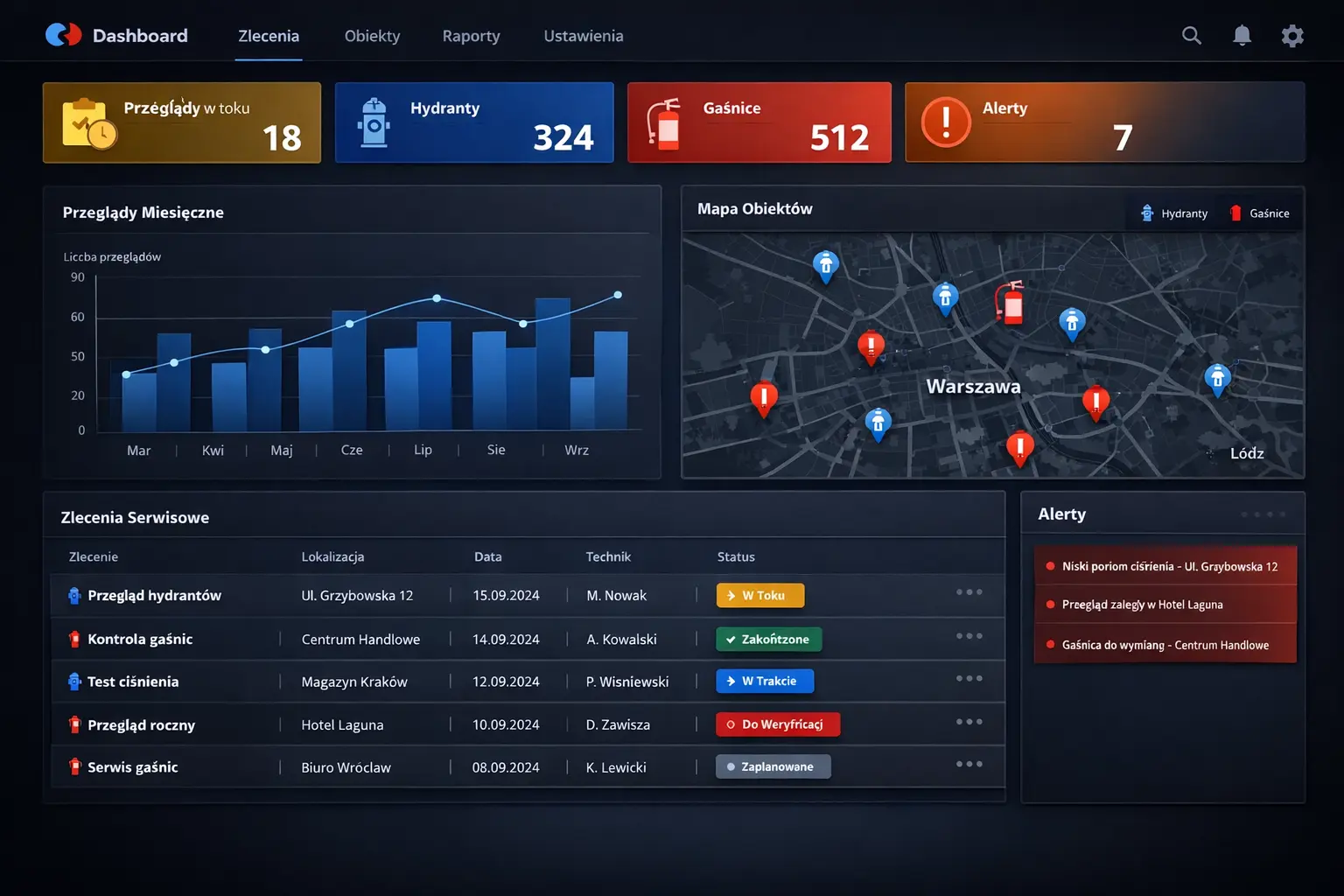
PRODUCTIZATION
TECHPRES.app
A dedicated operational system evolved into a commercial vertical SaaS product with repeatable domain modules.
Related paths
After the audit, the target product may be SaaS, operations software or a mobile extension.
We keep modernization as a migration problem and route the target capability to the right product engineering service.
SAAS
SaaS Development
Use when the target architecture is a multi-tenant commercial product with organizations, billing and entitlements.
OPS
Business Operations Software
Use when the legacy system primarily runs internal operations, workflow and documents.
MOBILE
Existing Platform → Mobile
Add a mobile surface after backend/domain boundaries are stable enough to remain a shared source of truth.
FAQ
Legacy modernization decisions.
A rewrite can be correct, but it should be a conclusion of the audit rather than the starting assumption.
Not necessarily. We first identify domain and integration boundaries. Incremental replacement is often safer when the product is already revenue-generating or operationally critical.
Yes when contracts and ownership are explicit enough. Sometimes the best first stage is a new frontend over stable APIs; in other cases the backend domain model is the real blocker.
By defining compatibility, observability, cutover and rollback boundaries before replacing production paths, then validating the migration pattern on a controlled slice.
Modernization discovery
Start with the architecture and risk map before estimating a rewrite.
We will identify the highest-leverage path that can be changed without losing control of production state.
Audit the platform