Build one mobile product architecture for iOS and Android.
We engineer React Native products around shared domain logic, reliable backend state, native capabilities and a controlled release process — not around the promise that every line of code must be shared.
React Native is our default when it creates product leverage. Native modules or platform-specific implementation stay available where device APIs, vendor SDKs or performance paths require them.
COMMERCIAL / MOBILE MAP
product model
mobile layer
backend state
release / operations
Architecture decision
React Native works best when the product is shared — not merely the screens.
The commercial advantage comes from coordinating product logic, release work and engineering ownership across platforms while preserving access to native capabilities.
01 / SHARE
Share the product model
Use one domain vocabulary, API contract and mobile architecture across iOS and Android instead of duplicating business rules in two clients.
Outcome
Lower product divergence
02 / ESCAPE
Keep an explicit native escape hatch
Camera, maps, biometrics, vendor SDKs and platform-only behavior can use native modules without forcing the whole application into two codebases.
Outcome
Native capability without a rewrite
03 / SHIP
Treat release as engineering
Build profiles, signing, preview distribution, store tracks, crash monitoring and rollback/update policy belong to the architecture from the beginning.
Outcome
Predictable production delivery
Production system
React Native is the application layer. The product still needs an authoritative system behind it.
We separate mobile presentation, device integrations, business state and release operations so the app stays maintainable as features and teams grow.
Product flows
Navigation, onboarding, transactions and mobile interaction model.
React Native runtime
Shared UI and application logic with typed state and reusable product primitives.
Native capabilities
Platform APIs, SDKs and native modules behind explicit boundaries.
Product API
Authentication, authorization, idempotent commands and versioned contracts.
Business state
Orders, bookings, payments, documents and operational lifecycle owned by the backend.
Release & observability
EAS, TestFlight, Play tracks, analytics, crashes, logging and ownership after launch.
Delivery scope
A React Native engagement should cover more than UI implementation.
We can join at architecture, rescue an existing app or own the full mobile product from product flows through store release.
Product architecture & UX
Define navigation, state ownership, account lifecycle and where mobile differs from web.
Information architecture
Typed navigation and state
Accessibility and adaptive UI
Backend & integrations
Connect the app to reliable domain services instead of placing business truth in the client.
REST / realtime contracts
Authentication and permissions
Payments, CRM and third-party APIs
Native capabilities
Integrate device functionality where it creates product value.
Push and deep links
Camera / QR / biometrics
Maps, location and vendor SDKs
Production delivery
Make build, signing, testing and release repeatable across environments.
Expo / EAS
TestFlight and Play tracks
Crash reporting and release telemetry
Production proof
Mobile engineering is strongest when the app is part of a real operating system.
These projects combine React Native with backend state, transactions, notifications and operational tooling rather than isolated mobile screens.
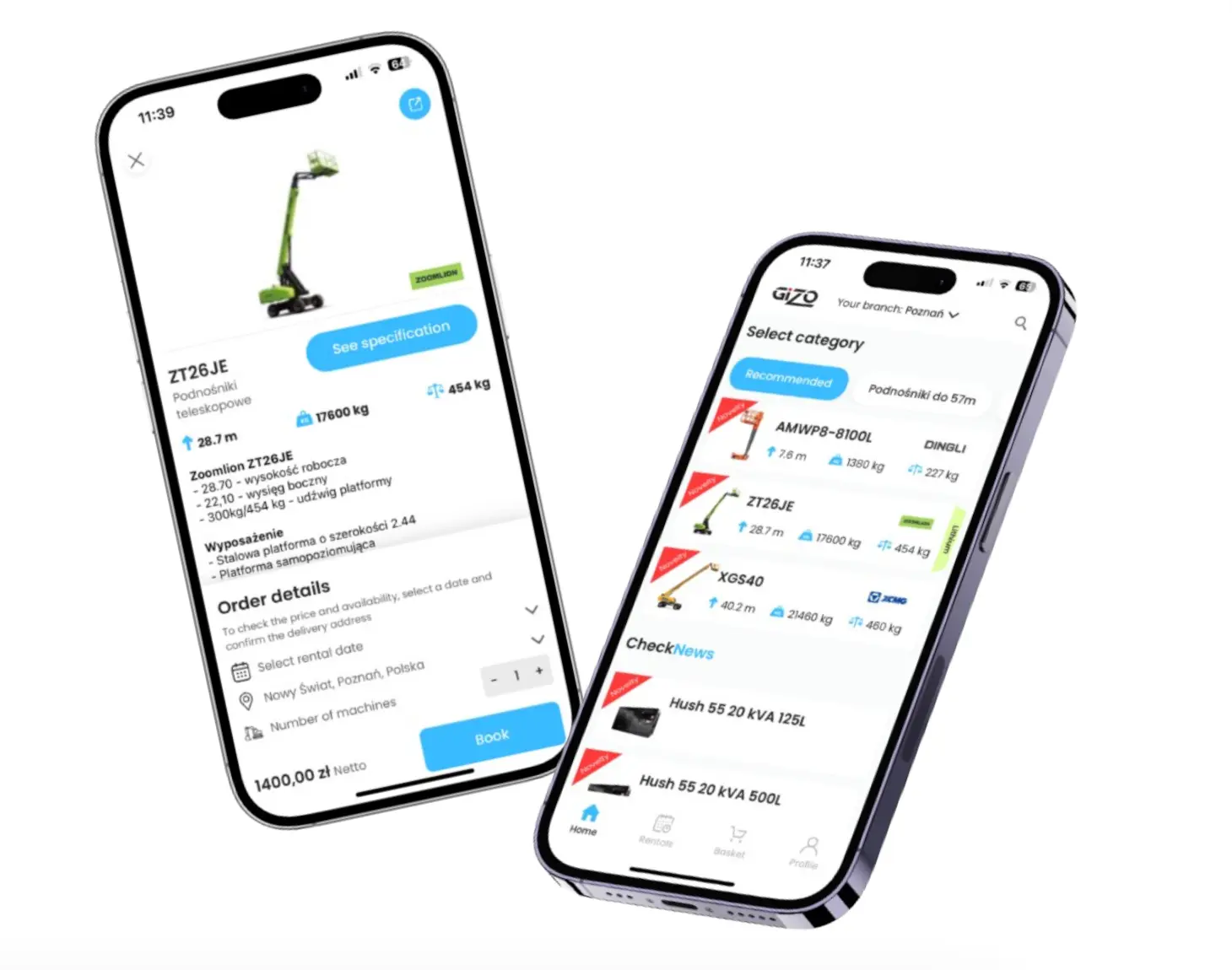
Gizo Rental
React Native product for a multi-branch rental journey with availability, transport, company verification, documents, e-sign, payment and operational lifecycle.
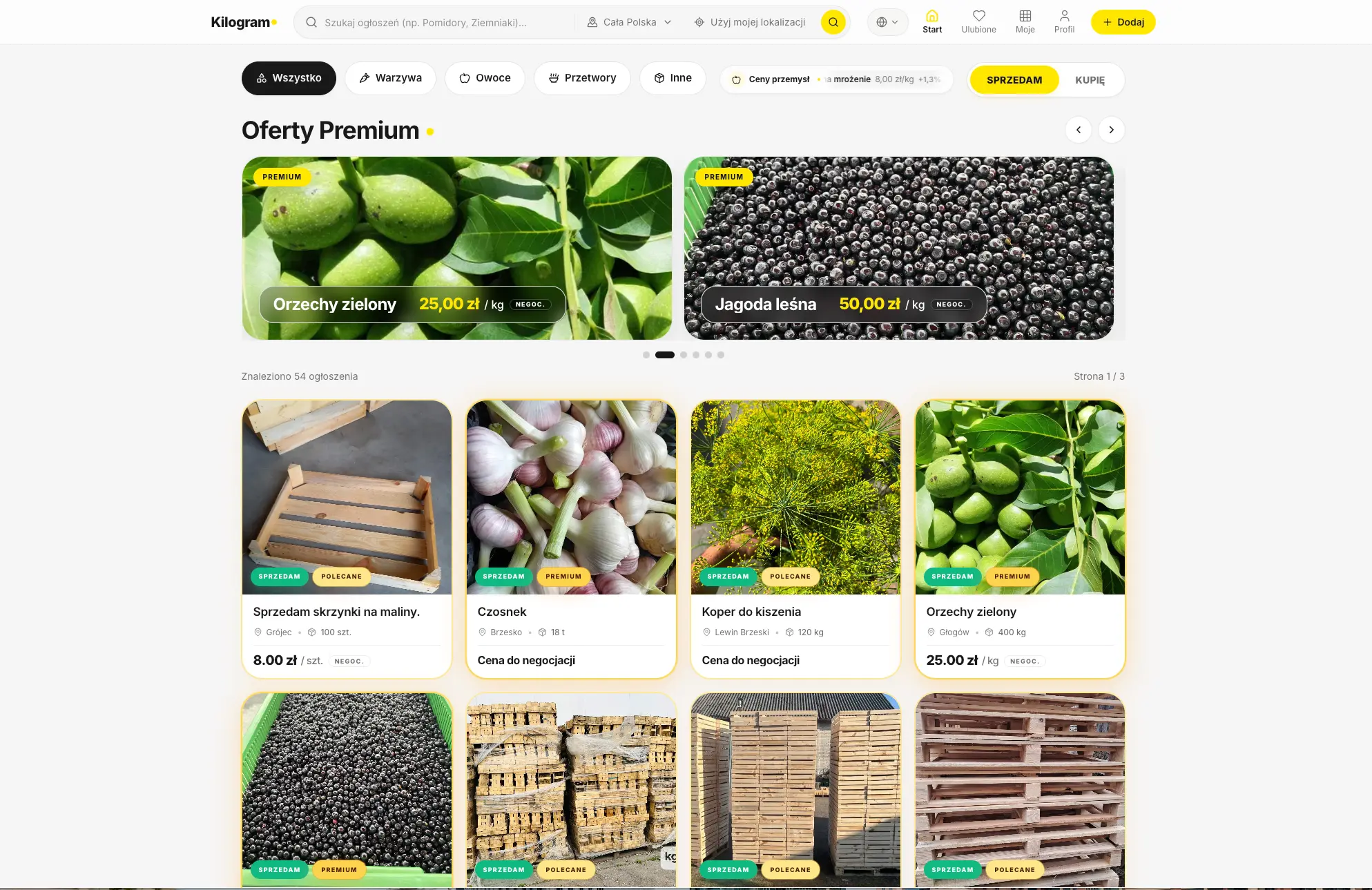
KILOGRAM
A live marketplace ecosystem where the mobile app, web platform, NestJS API, payments, notifications and AI workflows share one domain model.
Decision support
Read the architecture before choosing the delivery model.
DECISION
React Native vs Native iOS & Android
A product decision framework for shared code, native requirements and operating cost.
ReadDELIVERY
Expo & EAS Production Workflow
Build profiles, preview, TestFlight, Play tracks, submission and updates.
ReadPILLAR
How to Build a Production Mobile App in 2026
The wider mobile product architecture: backend state, device capabilities and release operations.
ReadChoose the right entry point
React Native is a delivery decision. Product stage and operating model still decide the engagement.
Use the specialist page when framework choice is already part of the brief. Use the wider service or MVP path when the product question is broader.
MOBILE / CORE
Mobile Product Engineering
For teams that still need to choose mobile-first, platform extension or field-operations architecture.
Explore the core serviceMVP / VALIDATE
Minimum Value Product
For teams that first need to validate demand, scope and the smallest useful mobile release before scaling engineering.
Explore MVP launchOFFLINE / FIELD
Offline-first Mobile Development
For operational products where local actions, queues, synchronization and conflict handling are primary requirements.
Explore offline-firstFAQ
React Native questions we resolve before implementation.
Framework choice should follow product constraints, release ownership and native requirements.
Yes, for many consumer, SaaS, marketplace and operational products. We design the application around typed contracts, production monitoring, testing and a release workflow rather than treating cross-platform code as the only architectural concern.
We use Expo and EAS when they fit the native dependency and release requirements. Native modules and custom native configuration remain available when the product needs them.
Yes. A React Native product can keep platform-specific capabilities behind native modules instead of rewriting the whole application.
Yes. We first map product state, API contracts, native dependencies and release risk, then choose staged migration or a coordinated replacement.
Yes. Mobile Product Engineering normally includes the API, identity, business state and integrations required to keep the app reliable. We can also integrate with an existing backend.
React Native discovery
Bring the product model and native constraints — we will turn them into a delivery architecture.
Tell us whether this is a new app, migration or extension of an existing platform, which native capabilities matter and how you expect to release and operate the product.