01 / CUSTOMER-FACING
New order
Confirmed
Commerce platform or marketplace
Customers discover offers, book services, place orders and pay within one cohesive experience.
ListingsBookingPayments
Web application engineering · SaaS · B2B · operations
From B2B customer portals and SaaS platforms to internal management tools and marketplaces: we connect business processes, data and teams in software designed around how your company works.
New idea or existing software that needs improvement? Tell us what you want to achieve. We will help define a sensible first step and implementation scope.
Product model
SaaS + B2B + ops
We separate commercial, operational and transactional system shapes before implementation.
Domain layer
State + workflow
Roles, transitions, entitlements and audit remain explicit outside the UI.
Billing
Fiat + crypto rails
Subscriptions, invoices, Stripe-style billing and USDC/CoinGate can coexist behind one product-owned ledger.
Delivery
Build → operate
Admin, observability, reconciliation and recovery are part of production scope.
WHAT WE CAN BUILD
We start with users, tasks and information flow, rather than a list of frameworks. Then we design an experience and a system that work together.
Customers discover offers, book services, place orders and pay within one cohesive experience.
Teams handle requests, documents, deadlines and approvals without switching between spreadsheets and emails.
Offer your own product with separate customer accounts, access permissions, subscription plans and secure data.
Production proof
See KILOGRAM, TECHPRES, Rentya, Gizo Rental, Pozwy Rodzinne and JW Kancelaria through verified project visuals and clearly labeled illustrative material.
FLAGSHIP / VERTICAL SAAS
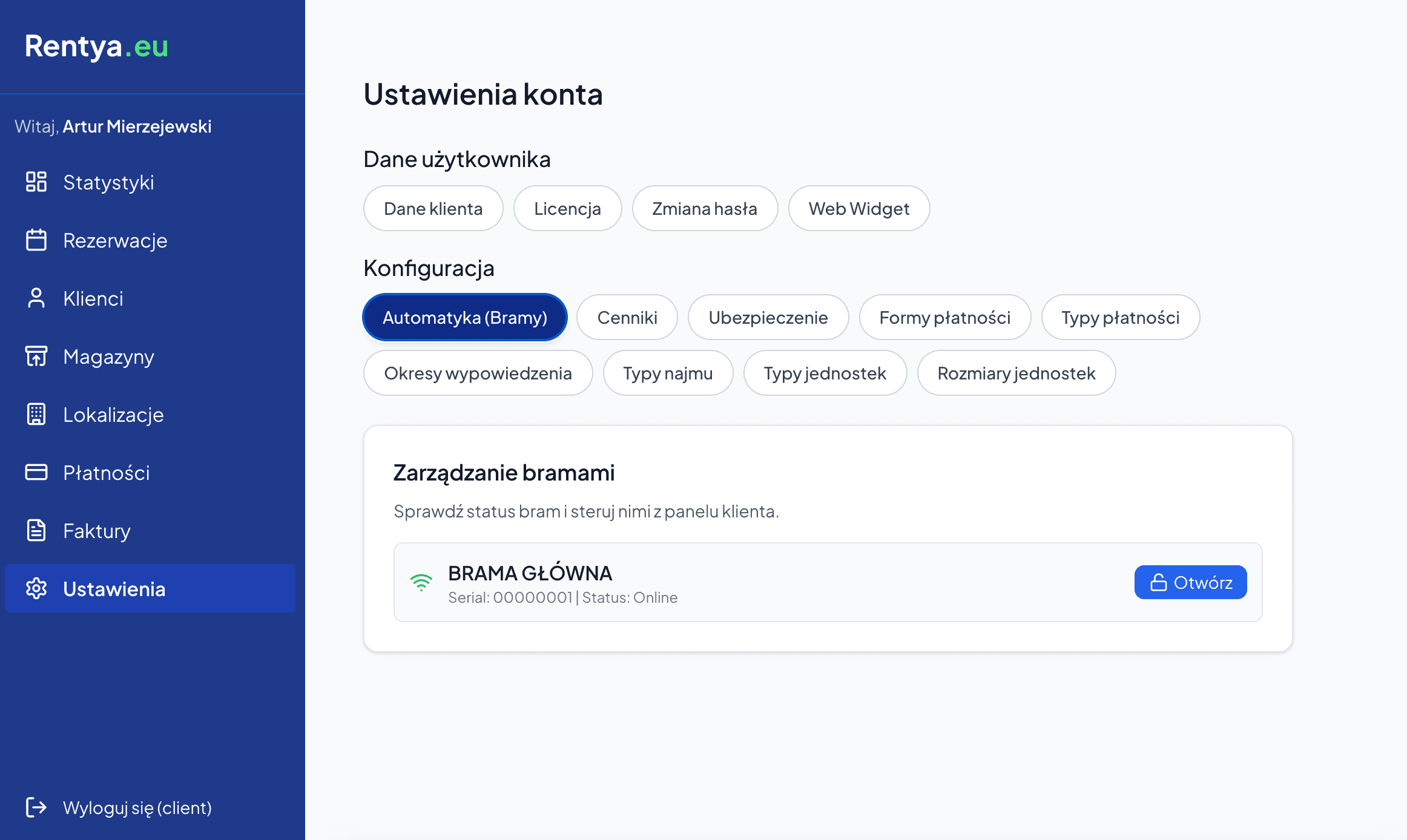
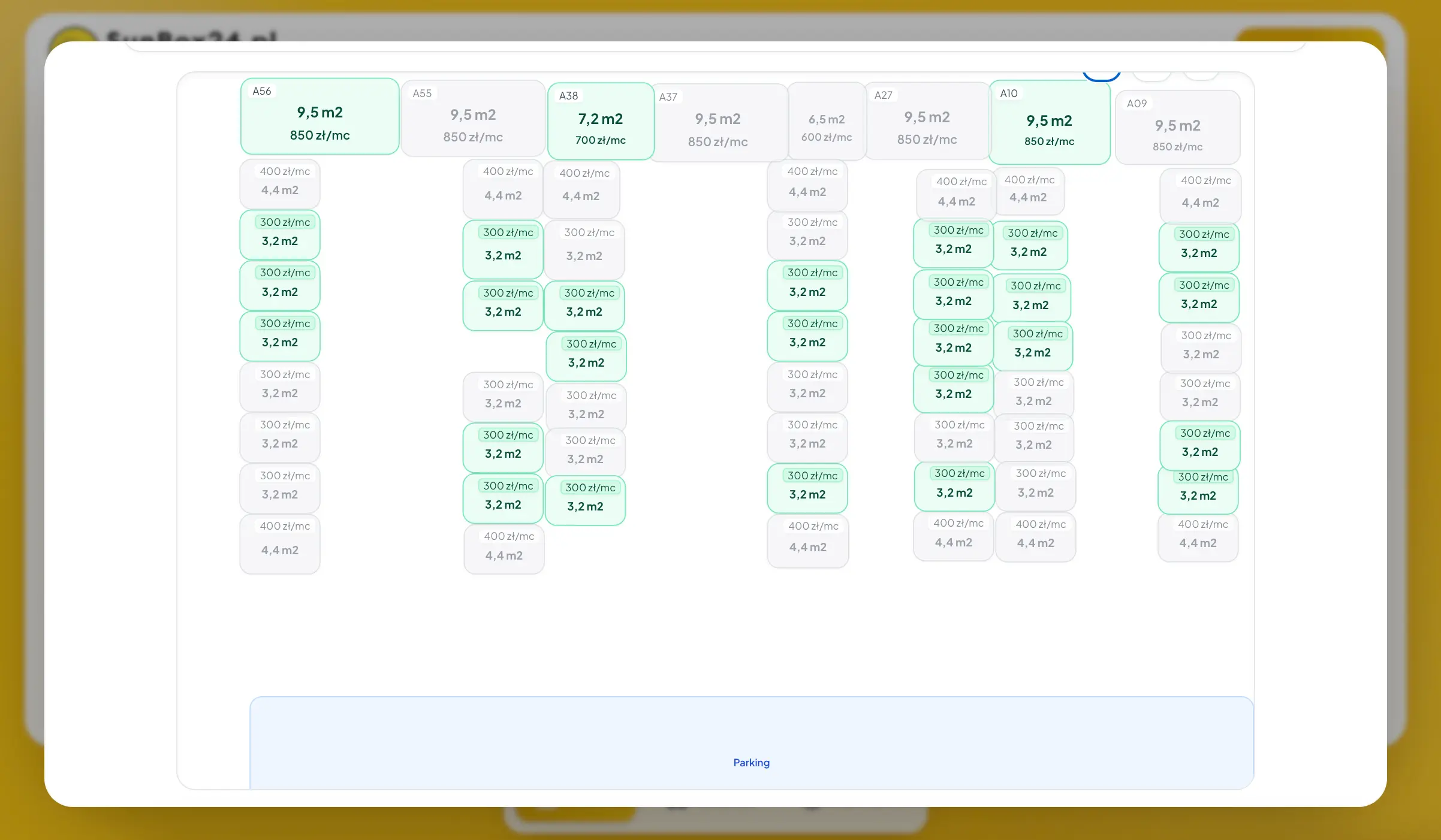
A reusable SaaS core for operators, facilities and storage units, carrying a booking through availability, documents, payment and active rental while supporting tenant self-service and configurable operating models.
FROM BOOKING TO RENTAL
AGRICULTURAL MARKETPLACE
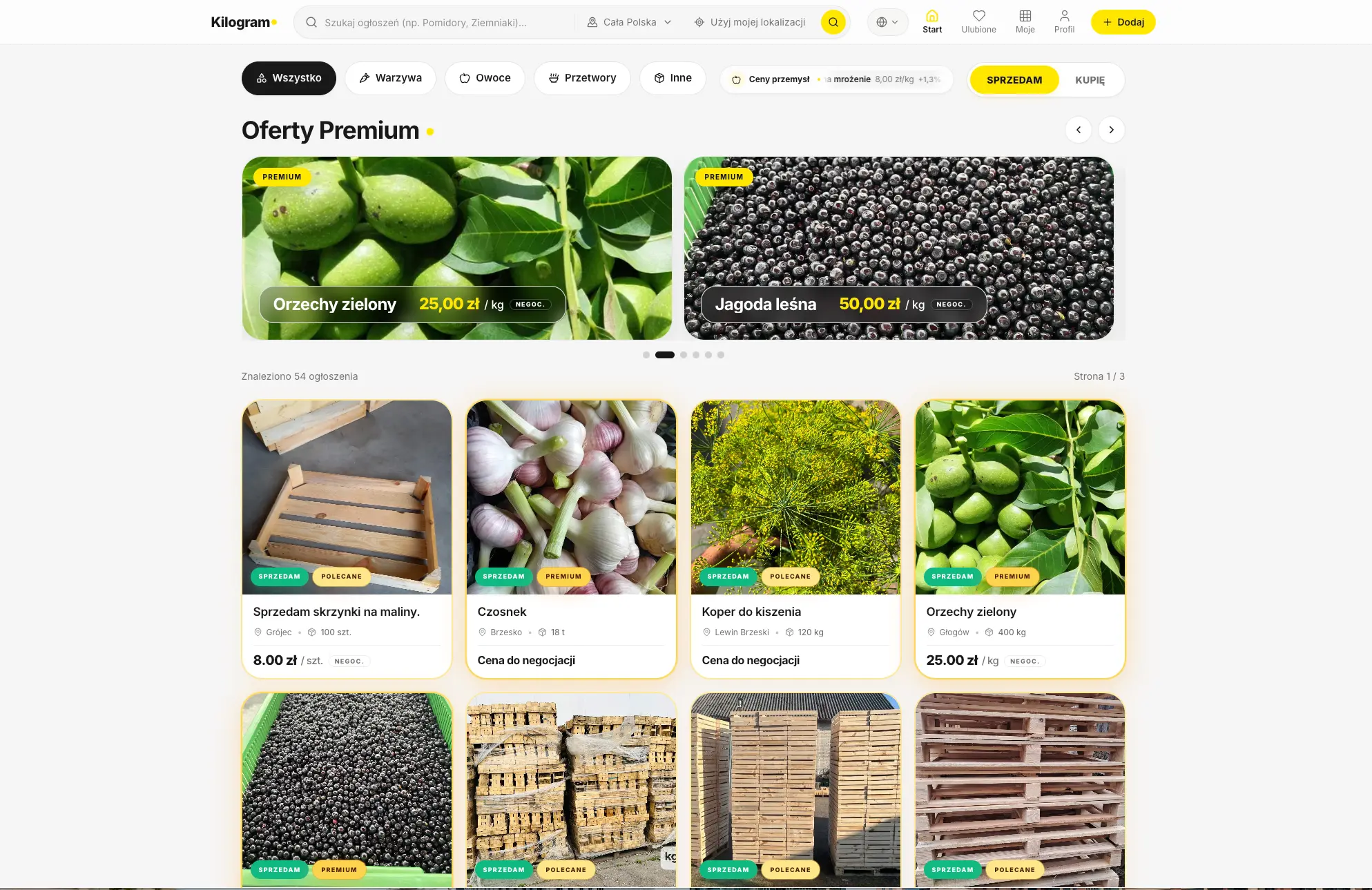
Agricultural listings, buyer demand, publishing, payments, AI assistance and moderation are connected through one web platform, mobile app and administration system.
SERVICE AND INSPECTIONS
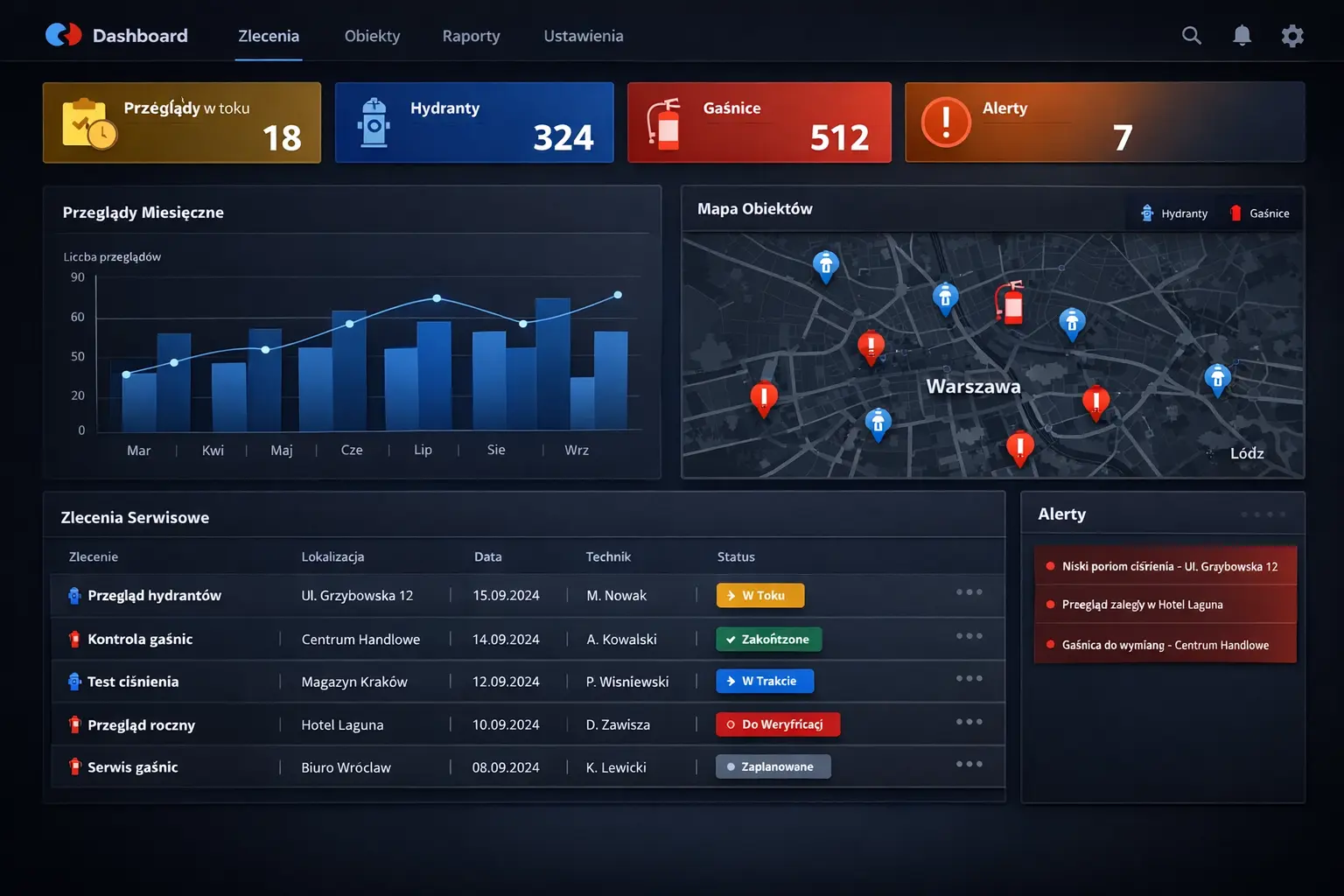
Customers, facilities, devices, service requests, inspections, measurements and PDF reports organised for everyday fire-safety operations.
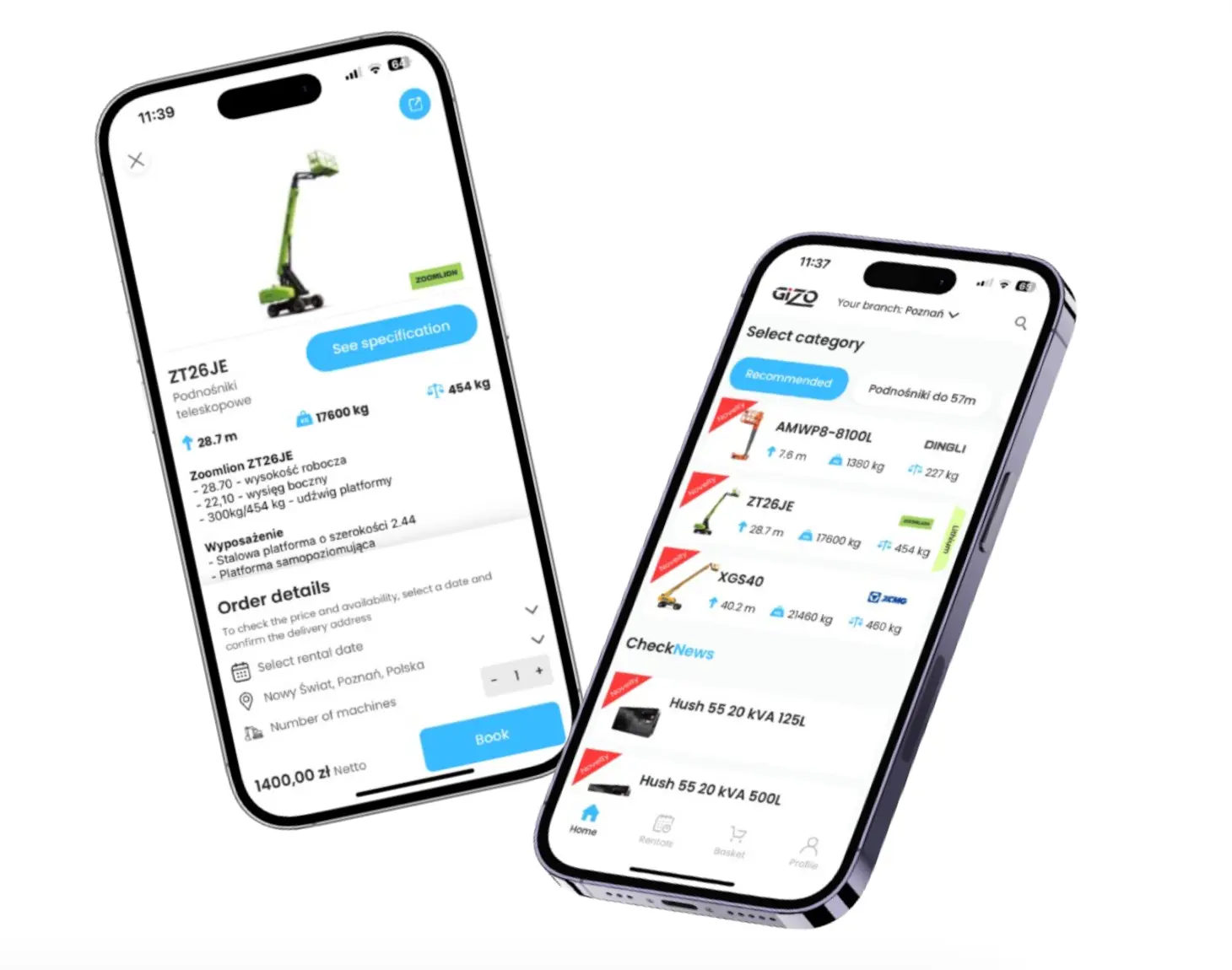
EQUIPMENT RENTAL
A rental customer journey backed by a web operations layer for branch availability, transport, documents, payments and rental status.
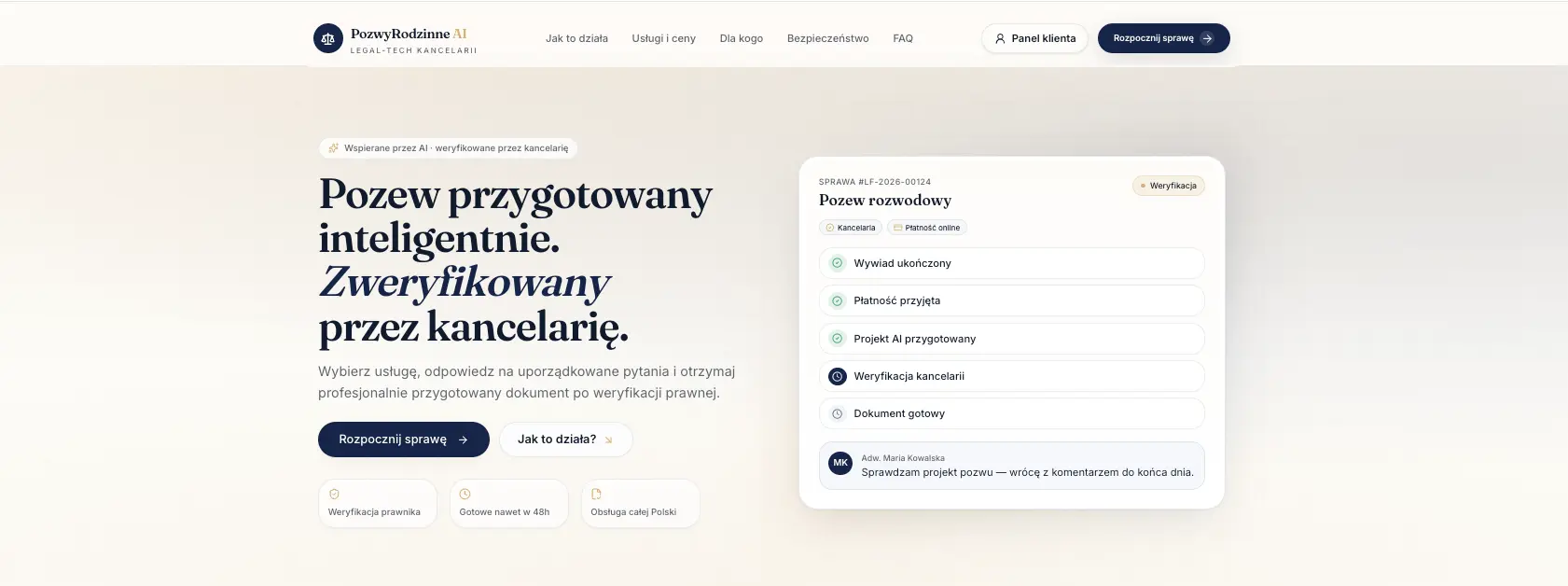
LEGALTECH / ONLINE SERVICE
A LegalTech platform combining structured AI-assisted client intake, legal document preparation, online payments and a case-management panel under lawyer supervision.
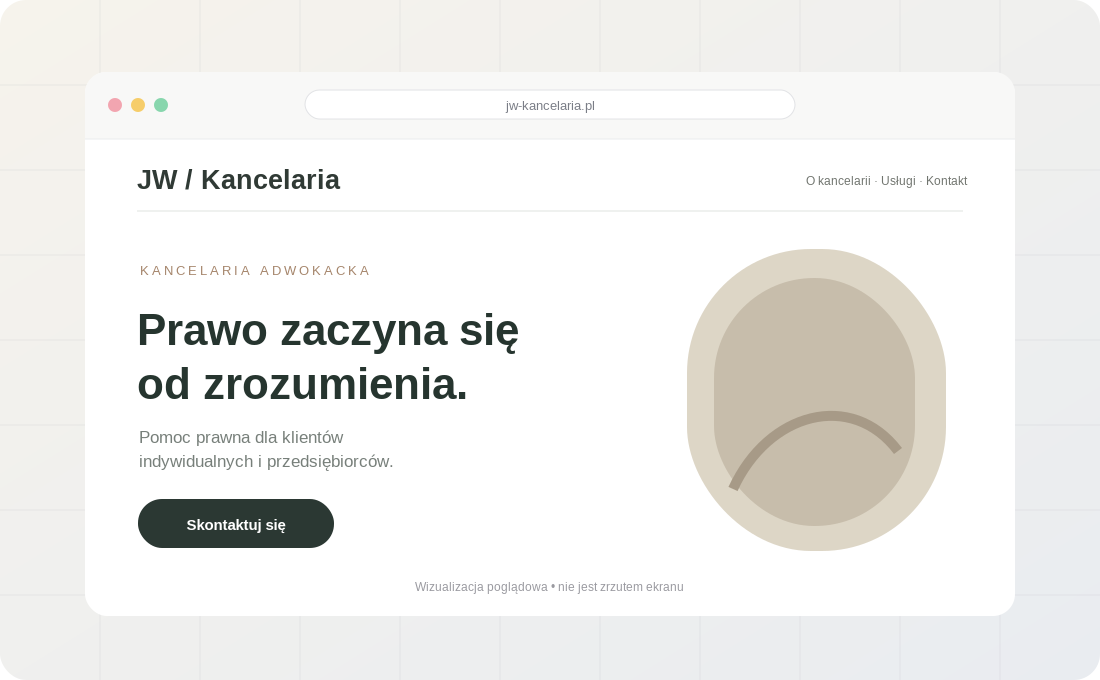 ILLUSTRATIVE VISUAL
LAW FIRM WEBSITE
Public-facing legal practice pages and contact paths designed around clear information for individuals and businesses. Visual shown is illustrative, not an actual screenshot.
Images of Kilogram, TechPres, Rentya, Gizo and Pozwy Rodzinne come from existing project assets. The JW Kancelaria illustration is not a real screenshot. External links lead to public websites.
Built by Softech / Product Lab
OrbitOS, SignFlow and Storage Software are useful proof because the team making architecture decisions also has to live with product evolution, workflows and operations after release.
AI-native Business OS for operational workflows, automation and management context.
Document workflow, signing status, reminders, archive, roles and audit trail.
Self-storage management product with availability, rentals, customer workflows and operational tooling.
HOW WE WORK
Each stage produces a practical deliverable. We make decisions about user experience, system behavior, integrations and security together.
Clarify user needs, important tasks, the first scope and existing tools and data.
Prioritized product requirements
Plan key screens, permissions, order or task journeys and connections to other systems.
Product UX and architecture
Build the web app, data services and integrations. Review working versions and test real use cases.
Working product increments
Support deployment, administration, monitoring and continuous improvements based on user needs.
Production launch and growth plan
You do not need a complete technical specification to begin. We help turn business goals into an incremental delivery plan.
Discuss your projectFour architecture models
A vertical SaaS, internal business operating system, transaction marketplace and legacy modernization program may all use Next.js and NestJS — but their ownership, state and failure modes are different.
MODEL A
A product sold to multiple organizations with isolated data, memberships, role models, plans, entitlements and repeatable onboarding.
BEST FOR
Vertical SaaS, B2B platforms, self-service portals and software sold per organization, location or account.
MODEL B
Software that replaces spreadsheets, email chains and disconnected SaaS tools with one operational model for work, documents, approvals and reporting.
BEST FOR
Operations, field service, workforce, rental, logistics, compliance-heavy workflows and internal process automation.
MODEL C
A system coordinating supply, demand, orders, payments, communication, fulfilment and operations across several participant roles.
BEST FOR
Marketplaces, booking, delivery, rental, procurement and products where money and state move between parties.
MODEL D
A staged migration that identifies domain boundaries and replaces fragile modules without requiring a risky all-at-once rewrite.
BEST FOR
Legacy SaaS, growing monoliths, outdated frontends, unstable integrations and products blocked by accumulated technical debt.
We choose the domain and operating model first. Frameworks, databases and providers follow the product constraints.
Product topology
The visible interface sits on top of identity, business state, permissions, billing and integrations. We make those layers explicit so the product remains operable as customers, teams and workflows grow.
01
Organizations & identity
Customers, users, memberships, invitations and tenant context.
02
Authorization
Roles, permissions, resource ownership and policy checks.
03
Domain state
Orders, assets, cases, documents and lifecycle invariants.
04
Workflow
Transitions, approvals, deadlines, automated actions and exceptions.
05
Billing & entitlements
Plans, usage, invoices, payment rails and product access.
06
Integrations & operations
Events, queues, external systems, logs, audit and operator tooling.
SaaS foundations
We design tenancy, authorization, workflow and audit as first-class product concepts rather than scattered checks inside controllers and screens.
TENANCY
Start with organizations, memberships and resource ownership before deciding how tenant isolation is implemented in storage.
Organization / workspace model
Membership lifecycle
Tenant-scoped resources
Isolation strategy
White-label configuration
AUTHZ
Signing in proves identity. Product rules still need explicit decisions about who may act on which resource and in what organization.
Role model
Permission matrix
Resource ownership
Admin escalation
SSO-ready boundaries
WORKFLOW
Important records move through controlled states with transition rules, deadlines, approvals and side effects.
State machines
Transition guards
Automated actions
Manual review
SLA / due dates
AUDIT
An audit trail records who changed what, when, from which state and through which system path.
Actor + action
Previous/new state
Correlation IDs
Integration source
Operator search
A production workflow needs valid transitions, permission checks and exception paths. The UI can request a transition; the domain decides whether it is allowed.
→
→
→
→
→
The same model supports customer support, compliance, debugging, finance and controlled AI actions because the decision path remains reconstructable.
actor
action
resource
previous_state
new_state
timestamp
correlation_id
source
Billing & financial state
Plans, entitlements, invoices, payment methods and settlement should remain separate concepts. This lets the product support subscriptions, one-off B2B invoices and additional payment rails without coupling access rules to one provider.
Subscription lifecycle
→
→
→
→
→
→
→
Product-owned billing model
PLAN
Plan
Commercial packaging and pricing reference.
ENTITLE
Entitlements
Which product capabilities the customer may use.
USAGE
Usage
Meters or counters when pricing depends on consumption.
INVOICE
Invoice / obligation
What is owed, in which commercial currency and why.
PAYMENT
Payment
Evidence that an obligation was satisfied through a selected rail.
LEDGER
Ledger & reconciliation
Product and finance history independent from provider callbacks.
We keep subscription and entitlement logic in the SaaS domain, then integrate the payment mechanism that matches the customer and market — including existing Softech crypto payment capabilities.
FIAT / BILLING
Provider-managed recurring billing, invoicing, dunning or one-off checkout connected to product-owned plan and entitlement state.
• Subscriptions
• Invoices
• Proration
• Dunning
• Customer portal
USDC / COINGATE
Accept stablecoin payment for a SaaS invoice or order through a managed crypto provider while keeping commercial price, entitlement and reconciliation in the product.
• USDC checkout
• CoinGate orders
• Idempotent callbacks
• Settlement
• Reconciliation
ON-CHAIN / CUSTOM
When blockchain payment is native product state, dedicated addresses, confirmation logic, internal ledger and treasury can be designed as a custom rail.
• Dedicated addresses
• Confirmation/finality
• Internal ledger
• Treasury
• Exceptions
Softech designs the SaaS billing, entitlement, orchestration and reconciliation layer. Where regulated crypto-asset services, custody or exchange are required, those functions remain with the selected authorised provider or customer-approved regulated architecture.
Distributed product engineering
Production SaaS has to remain correct when external systems are slow, webhooks repeat, jobs retry, users act concurrently or AI proposes an action. We design those conditions instead of assuming the happy path.
INTEGRATIONS
An integration is a failure-handling problem, not an API call.
• Verify and persist events
• Idempotency keys
• Queues / retries
• Dead-letter handling
• Reconciliation jobs
REALTIME
Live status is useful only when concurrent actions still resolve against authoritative domain rules.
• WebSockets / events
• Presence / live status
• Optimistic UI
• Conflict rules
• Operational dashboards
OBSERVE
Support teams need a path from customer to exact workflow, provider event and system trace.
• Structured logs
• Correlation IDs
• Metrics / alerts
• Admin search
• Recovery runbooks
SECURITY
Least privilege and domain authorization are applied before data leaves the trusted boundary or an automated tool acts.
• Tenant boundaries
• RBAC / policy
• Secrets
• Rate limits
• Audit
AI becomes useful when it works inside the same identity, permission and workflow model as the rest of the product. Context and tools should be constrained by the user and organization that initiated the action.
→
→
→
→
→
→
→
→
The model may classify, summarize or propose an action. Authorization, state transitions, financial rules and audit remain deterministic product responsibilities.
BUSINESS SOLUTIONS
You do not need a complete specification. We build new platforms and modernize existing systems around real user and business needs.
Software for multiple clients with separate company accounts, access permissions, subscription plans and administration tools.
Keep tasks, documents, approvals and reporting together rather than across spreadsheets and disconnected tools.
Manage product and supplier records, supporting documents, permissions and decision histories.
Coordinate field inspections, engineer tasks, measurements, schedules and reports from one system.
Add capabilities and improve integrations while replacing outdated components gradually.
We can combine several areas in one product — for example commerce, order processing and staff operations.
GUIDES AND INSIGHTS
Practical explanations of product scope, customer accounts, security, payments and ongoing development.
FEATURED GUIDE
From initial scope and user accounts to permissions, payments, integrations and launching the product.
How to safely serve multiple organizations through one platform.
Read articleWho can view, edit and approve information inside a shared business system?
Read articleConnect plans, invoices, features and payment methods into one user journey.
Read articleHelp users with AI while retaining permissions and the rules that govern product actions.
Read articleFREQUENTLY ASKED QUESTIONS
Answers about scope, data safety, integrations, payments and further development.
We develop SaaS platforms, B2B portals, marketplaces, booking software, administrative dashboards and business management tools. The scope depends on users and workflows.
Yes. Describe the idea or business problem. Together we map the goals, users, essential features and integrations.
Often yes. We evaluate available integrations and agree on which data should be shared and how to handle updates or failures.
We define roles and permissions, isolate customer data where necessary and record important system actions. Security measures depend on the sensitivity of the data and business requirements.
Yes. We can connect subscriptions, billing, invoices and access to product features. The best payment setup depends on your business model.
Yes. We modernize existing systems, enhance usability, add new modules and connect external services without requiring a full rewrite.
LET'S DISCUSS YOUR PROJECT
Tell us who will use the product and what they need to accomplish. We will help define essential features and a realistic initial delivery scope.
An idea or a description of your problem is enough to begin. We will help define the essential features and first delivery stage.
Choose where to start
Business accounts, permissions, subscriptions and shared services.
Tasks, documents, schedules and efficient team workflows.
Listings, orders, bookings, payments and customer service.
New features, integrations and incremental modernization.
Test user demand before a larger product investment.
Your choice helps us prepare for the discussion and does not lock you into a particular solution.
Specialization · B2B Platforms
Explore custom marketplaces — from B2B web platforms to mobile apps, moderation, community and AI — with evidence from our KILOGRAM project.
FOR WARSAW BUSINESSES
We build web applications for customers and employees, from business operations platforms to marketplaces and SaaS. Explore our service for Warsaw companies.