Blog topic

Fire Safety Inspection Software: authority hub

Vertical authority for fire-safety asset registries, recurring inspection policy, offline technician workflows, measurement/GPS evidence, protocols and auditable service history. Understand software architecture for fire-safety assets, recurring inspections, field measurements, technician workflows, protocols and audit history.

3 articlesfire-safety-inspection-softwareFire Safety Inspection SoftwareOffline FirstField Service
Topic authority graph

From knowledge to an implementation decision

Understand software architecture for fire-safety assets, recurring inspections, field measurements, technician workflows, protocols and audit history.

Intent: informational / architectural3 articles
01 / Topic scope
Fire Safety Inspection Software

Vertical authority for fire-safety asset registries, recurring inspection policy, offline technician workflows, measurement/GPS evidence, protocols and auditable service history.

Knowledge domain: Web Application & SaaS Product Engineering
02 / Authority
Fire Safety Inspection Software Architecture

The primary technical resource defining architecture, decisions and responsibility boundaries.

Read the authority guide
04 / Commercial owner
Fire Safety & Inspection Software Development

The service page remains the owner of buying intent, scope and conversion. This hub does not compete for BOFU intent.

Explore implementation
Concept model

Fire-safety inspection operating model

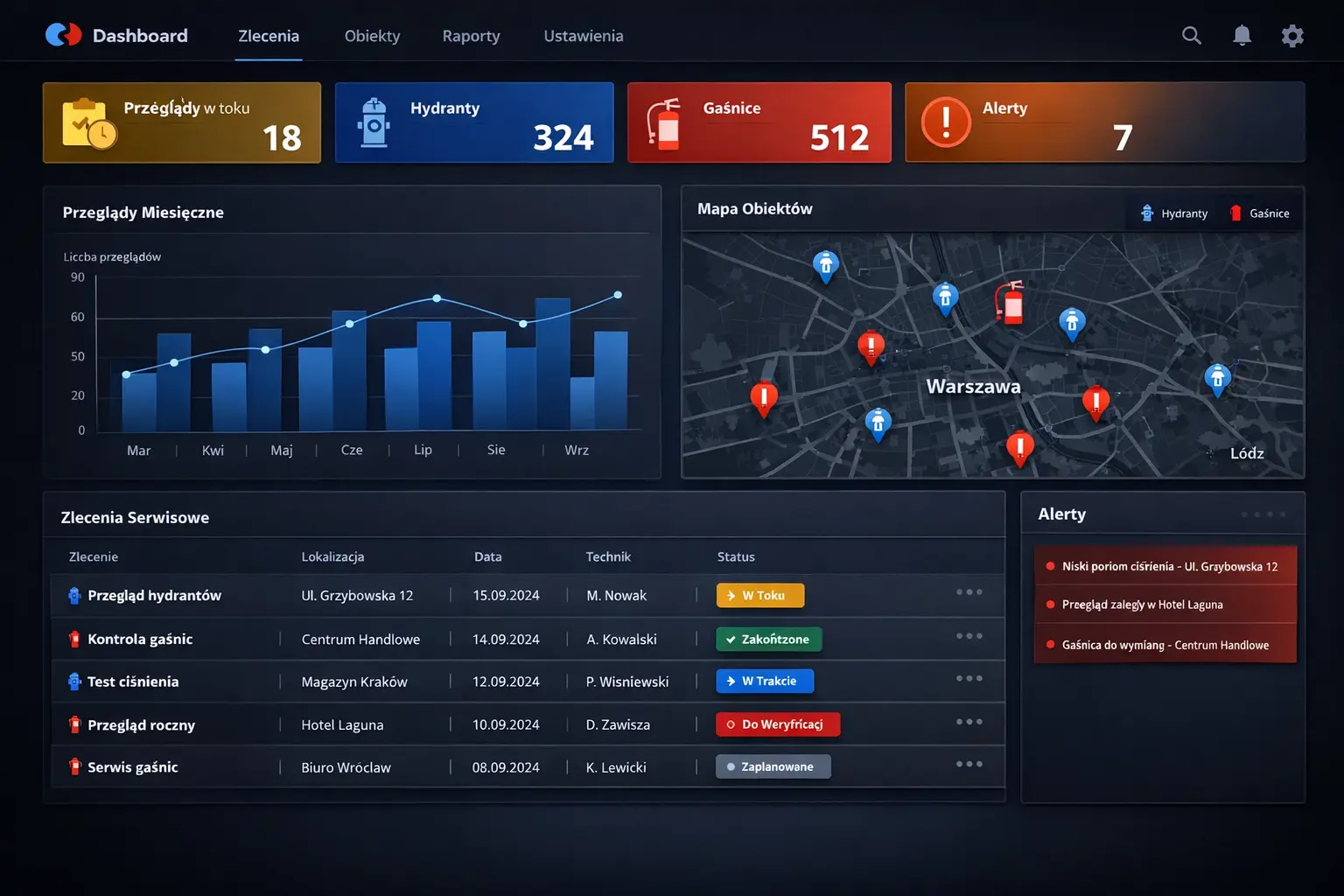
A field-inspection platform should preserve the relationship between the physical asset, inspection policy, technician work, captured evidence and the final protocol.

This is a Softech architecture and operating model; it does not replace legal, regulatory or manufacturer requirements where those apply.

  1. 01

    Site and asset

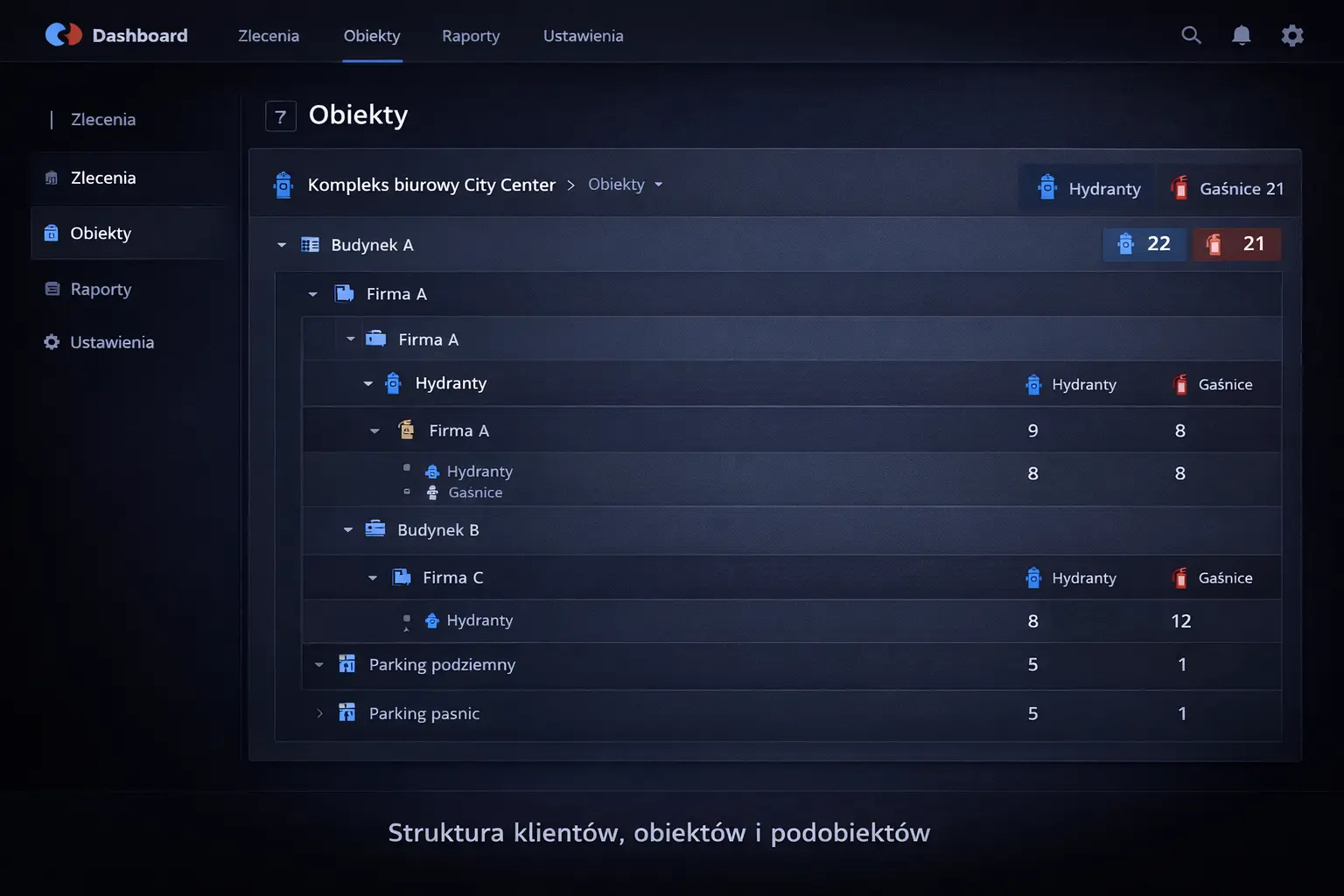
    A stable asset identity and hierarchical location prevent service history from being tied only to a mutable label or address.

  2. 02

    Inspection policy

    Required cadence, scope and rule provenance are stored separately from a particular scheduled inspection.

  3. 03

    Work order and session

    A server-issued work/session identity anchors offline work, device data and later synchronization.

  4. 04

    Measurements and evidence

    Measurements, timestamps, GPS and device provenance are captured as structured evidence, not only rendered into a PDF.

  5. 05

    Finding and remediation

    Defects, severity, corrective action and closure remain traceable across visits.

  6. 06

    Canonical protocol and history

    The final protocol is generated from synchronized canonical state while the service history preserves every material change.

Start here

Foundational content in this section

These articles build the core context and help you quickly understand the most important relationships in this knowledge area.

Topic clusters

These clusters show how articles in this section connect with the broader Softech.app knowledge graph.

fire-safety-inspection-softwareFire Safety Inspection SoftwareOffline FirstField ServiceMeasurement EvidenceGPS EvidenceSynchronizationPDF ProtocolsAsset RegistryInspection SchedulingQR Asset TrackingService HistoryInspection SoftwareFire Safety

Entity map

The most frequent concepts help users and AI systems understand the semantic scope of this page.

TECHPRES×3PDF protocol×2asset registry×1Asset registry×1extinguisher×1Field technician×1Fire extinguisher×1Fire hydrant×1fire protection device×1GPS×1hydrant×1idempotency×1Inspection×1inspection policy×1inspection protocol×1inspection session×1measurement device×1offline-first×1QR code×1sync queue×1

Articles in this section

3 results in this knowledge area

FAQ

Frequently asked questions

What should be the source of truth for a fire-safety inspection protocol?

The protocol should be generated from synchronized canonical inspection state, not assembled independently from stale client fields. Asset identity, measurements, findings, technician identity and timestamps should all resolve from the same finalized record.

How should offline fire inspections synchronize safely?

Use a durable local queue, stable inspection/session identifiers and idempotent server commands. Conflicts should enter an explicit repair state instead of being resolved by last-write-wins.

Why should GPS and measurement-device metadata be stored separately from the measurement value?

A value without provenance is weaker evidence. Location accuracy, device identity, capture timestamp and operator/session context make it possible to explain where and how the measurement was produced.

Should inspection due dates be hard-coded in the application?

No. Inspection policy should be modeled as versioned configuration with a source and effective period. That makes regulatory, manufacturer or contractual rule changes auditable instead of requiring silent code changes.