AI-native SaaS Architecture: Permissions, Tools and Auditable Product State
A production AI-native SaaS architecture for tenant context, permissions, domain tools, idempotent execution, human approval and auditable product state.
An authority hub for agent architecture and control boundaries. It owns educational and architectural intent, while implementation intent stays with the AI Assistant service. Understand how production AI agents use tools, permissions, budgets, durable state, human approval and trajectory evaluation without bypassing application policy.
Understand how production AI agents use tools, permissions, budgets, durable state, human approval and trajectory evaluation without bypassing application policy.
An authority hub for agent architecture and control boundaries. It owns educational and architectural intent, while implementation intent stays with the AI Assistant service.
Knowledge domain: AI Systems & Automation Engineering →The primary technical resource defining architecture, decisions and responsibility boundaries.
Read the authority guide →The service page remains the owner of buying intent, scope and conversion. This hub does not compete for BOFU intent.
Explore implementation →These articles build the core context and help you quickly understand the most important relationships in this knowledge area.

A production AI-native SaaS architecture for tenant context, permissions, domain tools, idempotent execution, human approval and auditable product state.

A production Voice AI receptionist is a realtime transaction system joining telephony, authoritative booking state, bounded tools, confirmations, recovery and human handoff.

Production AI agents should be bounded decision loops: narrow tools, server-side permissions, durable approvals, retry-safe side effects, budgets, scoped memory and trajectory-level evaluation.
These clusters show how articles in this section connect with the broader Softech.app knowledge graph.
The most frequent concepts help users and AI systems understand the semantic scope of this page.
8 results in this knowledge area

Production AI automation is a durable trigger-to-outcome workflow with deduplication, deterministic preconditions, structured model decisions, retry-safe actions, human review and auditable recovery.

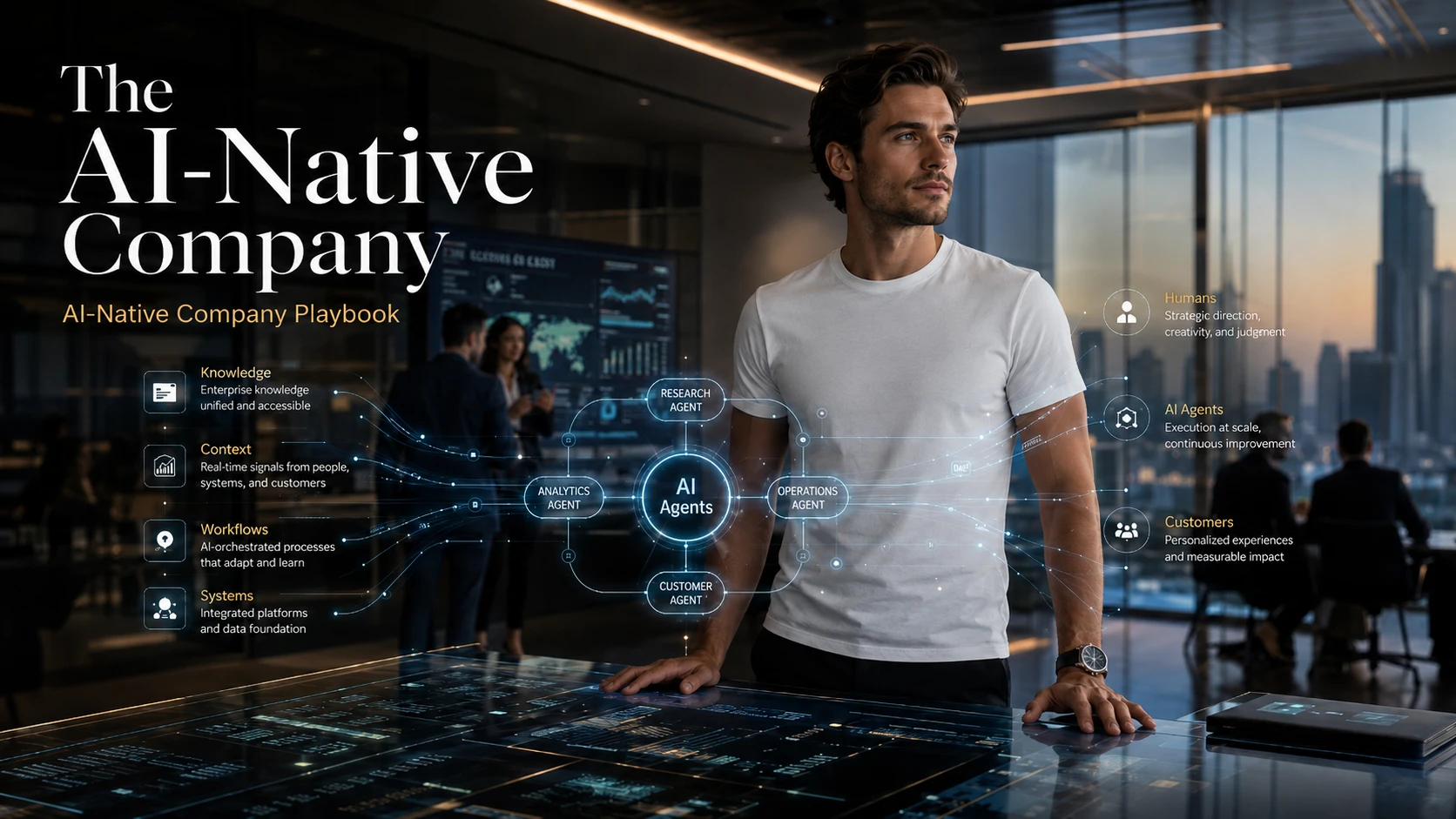
AI will not remain another productivity tool. It will become a permanent operating layer of the organization. This paper introduces a practical architecture for building AI-native companies.

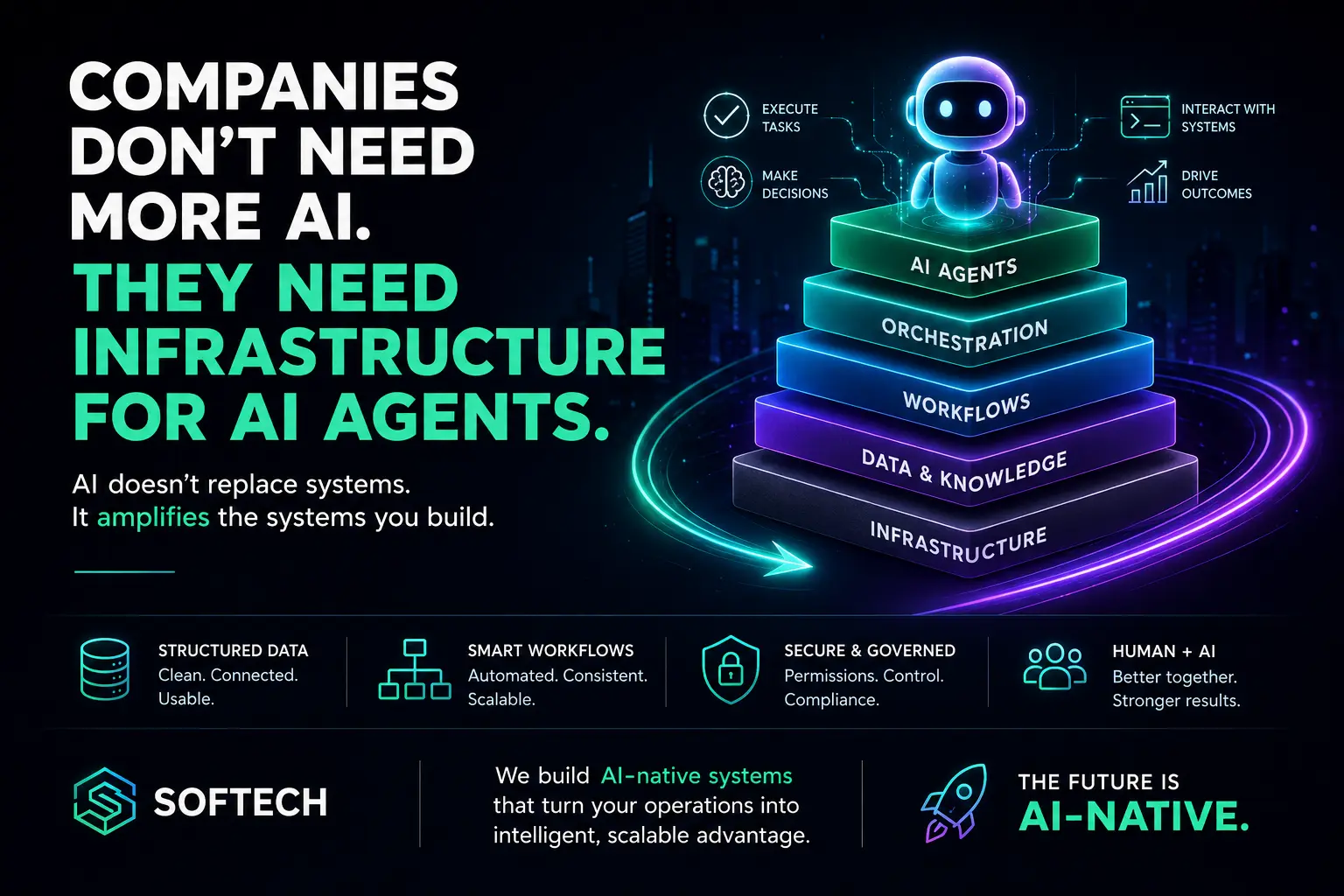
AI agents are becoming the next operational layer of modern organizations. But most companies still lack the infrastructure, workflows and systems required for AI to work effectively at scale.

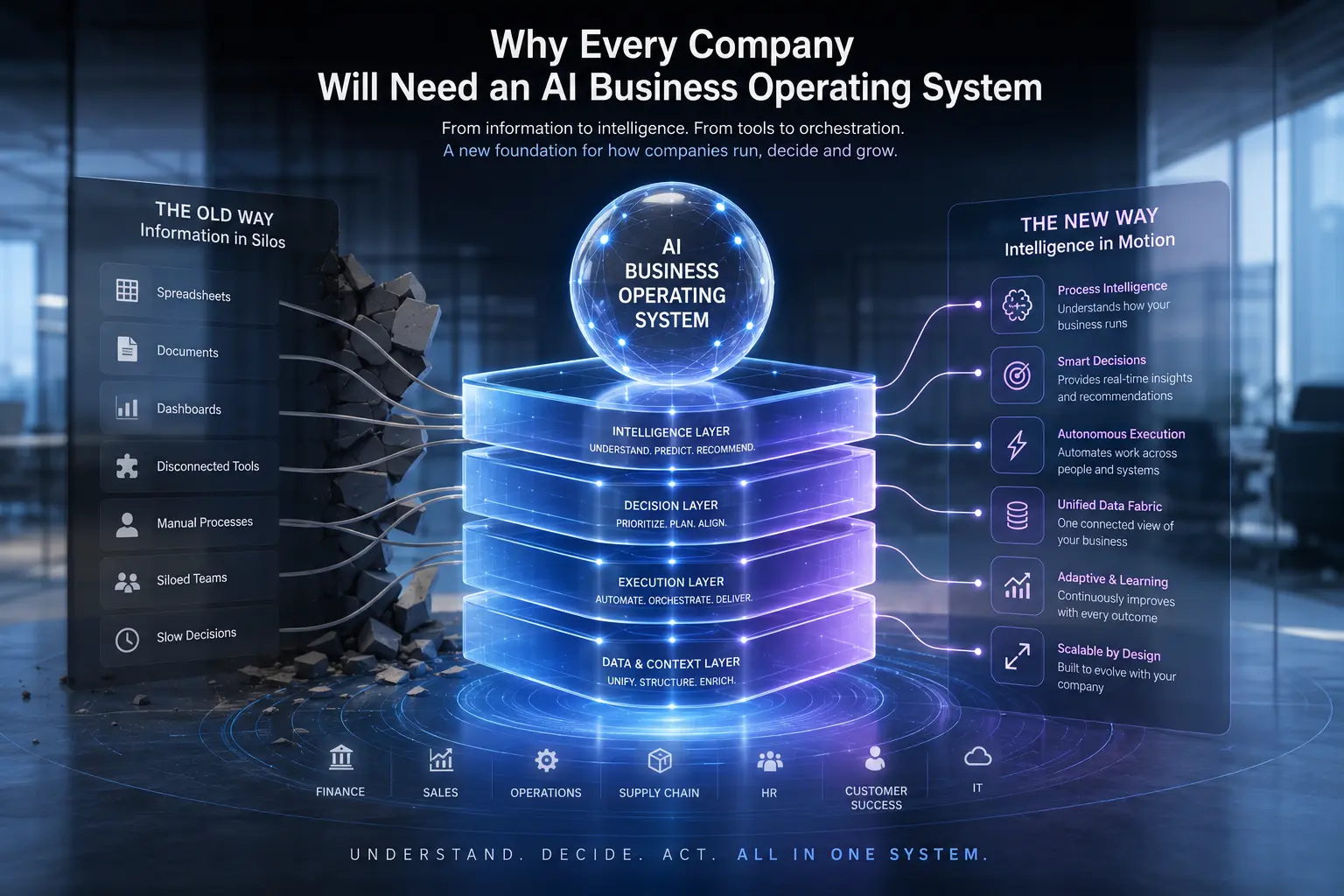
Most companies still use software to store information. AI Business Operating Systems represent a new generation of systems that understand processes, support decisions and automate execution.

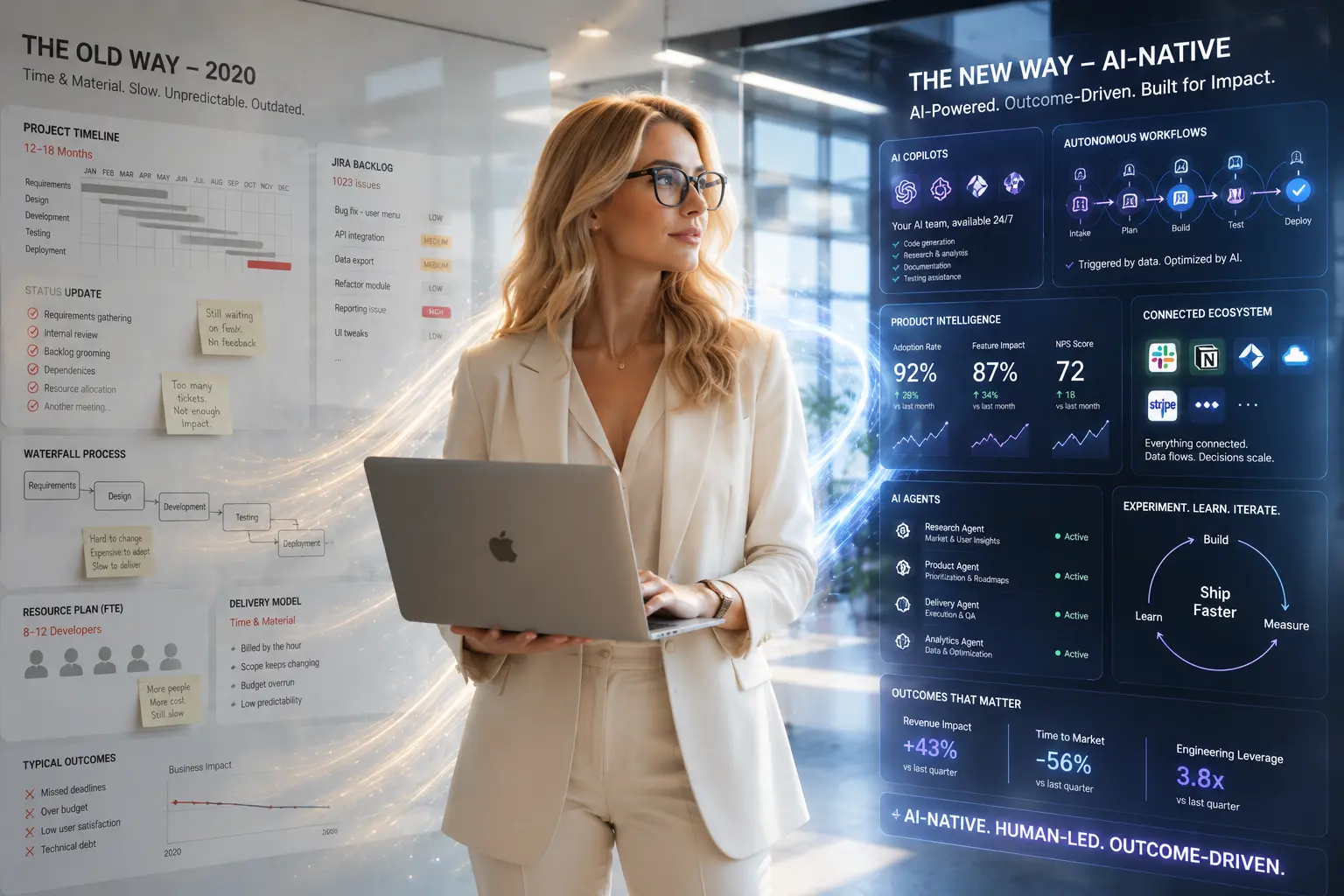
Many companies have adopted ChatGPT and AI coding tools, but very few have changed how they design, build and operate software. The biggest AI advantage comes not from faster coding but from redesigning the entire operating model.
The hub owns informational, architectural and decision-support intent. It does not replace the service page, which remains the owner of scope, pricing and buying intent.
Start with the authority guide in the Topic authority graph, then review first-party case studies and move to the implementation page only when you are evaluating a concrete project.
Case studies provide first-party evidence from real systems and show how authority guidance translates into production workflows, data boundaries and operations.